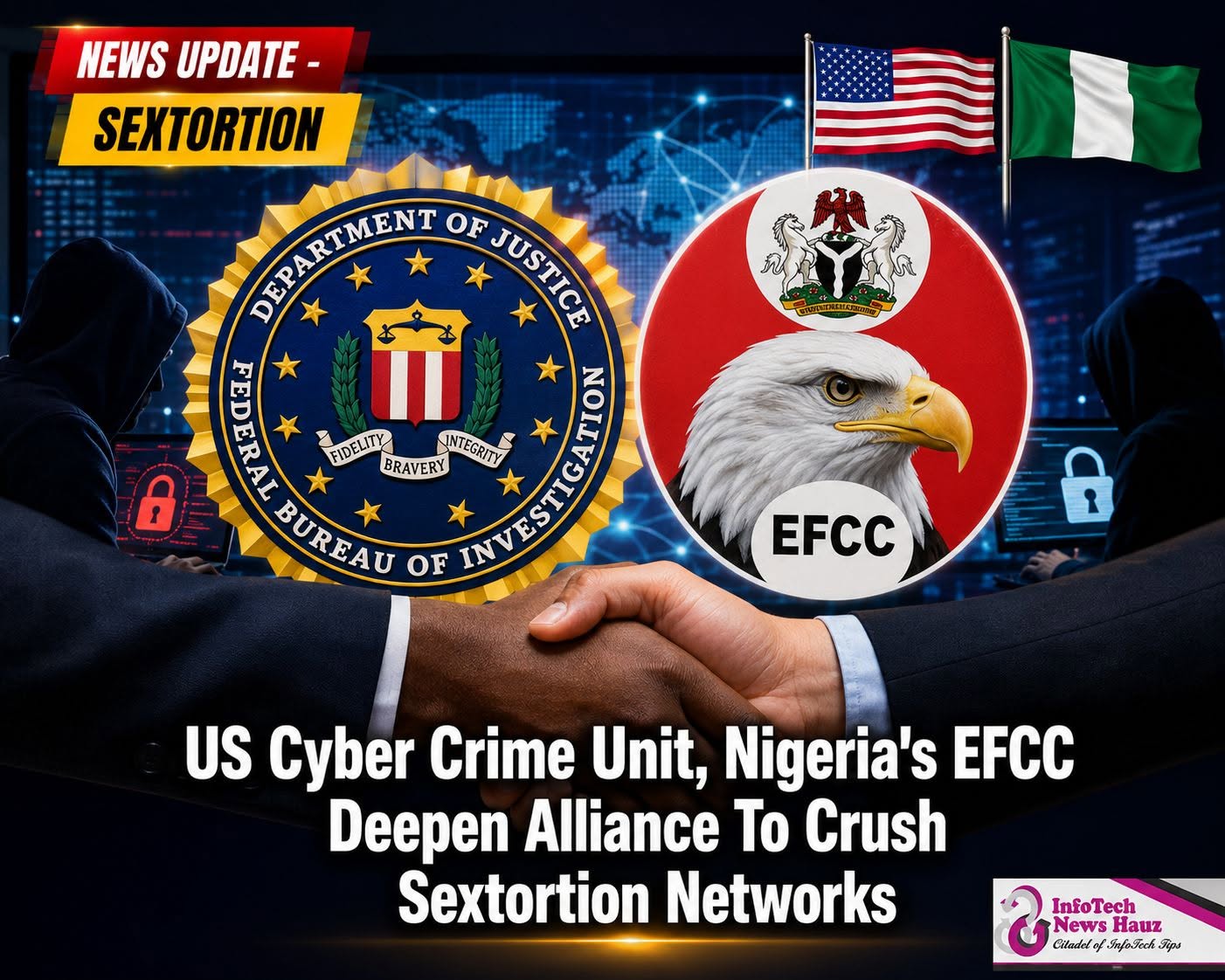
The fight against online sextortion targeting young people is gaining fresh international muscle. Guardian Nigeria reports that the United States Consulate in Lagos and the FBI have pushed for tighter information sharing with Nigeria’s Economic and Financial Crimes Commission, aiming to strengthen joint efforts against sextortion and other cross-border financial crimes.
The push came during a courtesy visit to the EFCC’s Lagos Zonal Directorate 2, led by Assistant Law Enforcement Attaché SSA James Smith of the U.S. Consulate alongside SSA Thomas Pepper from the FBI’s Cyber Division Headquarters. They met with Acting Zonal Director ACE I Bawa Kaltungo, according to a statement the anti-graft agency shared on its X handle.
During the Monday sit-down, the American officials praised the EFCC’s investigative record and its sustained work tackling sextortion cases and financial crimes that span borders. Smith explained that the visit was designed to reinforce existing cooperation between both agencies, particularly around sharing intelligence needed to pursue criminal networks involving both Nigerian and foreign victims and suspects. Kaltungo, responding on behalf of the commission, thanked the delegation and pledged continued cooperation wherever necessary.
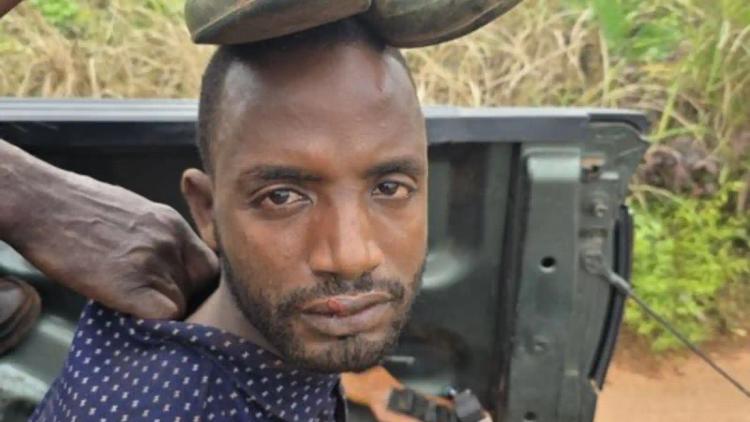
Both sides framed the engagement as proof of a shared commitment between Nigeria and the United States to confront cybercrime and sextortion schemes head-on. This collaboration doesn’t exist in a vacuum either, back in April 2025, the FBI arrested 22 Nigerians tied to a financially motivated sextortion operation linked to more than 20 teen suicides across the United States since 2021, a case that continues to cast a long shadow over how both countries approach this crime.
With both agencies now signaling a desire for closer ties, what does deeper information sharing actually mean for how fast these cases get cracked, and could this be the turning point that finally slows down a crime wave that has already cost young lives on both sides of the Atlantic? Or will operational and legal hurdles between the two justice systems continue to slow real progress?
Tell us what you think in the comments, do you believe stronger US-Nigeria law enforcement ties can genuinely curb sextortion crimes, or is more needed beyond information sharing alone?